
If you had asked a startup founder in 2015 where the best city for a tech company was, the answer would have been Bangalore, almost without debate. A decade later, the conversation has shifted. Gurgaon, now officially Gurugram, has quietly built itself into the largest and fastest-growing startup office hub in North India, and a serious contender for the national title.
This is not just anecdotal. The Delhi NCR region, anchored by Gurgaon, now accounts for the highest volume of coworking space absorption in the country. Venture capital activity in the region has surged, unicorn headquarters have multiplied, and the infrastructure supporting startup operations has matured at a pace that few predicted a decade ago.
So what exactly transformed a satellite city known primarily for call centres and real estate developments into the startup office capital of India? This article breaks down the structural, economic, and ecosystem factors behind Gurgaon’s rise.
World-Class Commercial Infrastructure
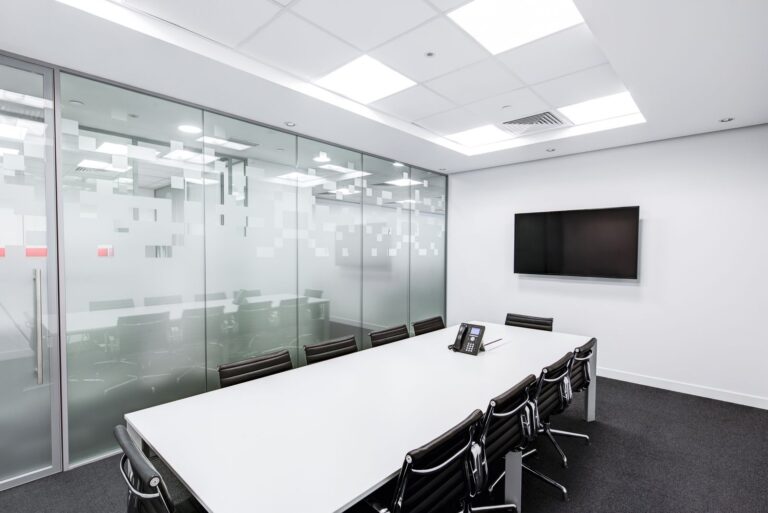
Gurgaon’s commercial real estate development over the past decade has been nothing short of transformative. The city now houses some of the most modern Grade A and Grade A+ office buildings in the country, many of which rival global standards.
Cyber City, the commercial backbone of Gurgaon, spans over 25 million square feet of premium office space and hosts the Indian headquarters of companies like Google, Microsoft, Deloitte, EY, and American Express. This concentration of corporate giants creates a gravitational pull that benefits startups through proximity to clients, partners, and acquirers.
Beyond Cyber City, corridors like Golf Course Road, Golf Course Extension, and Sohna Road have added millions of square feet of new commercial inventory. This supply has kept rental rates competitive even as demand has grown, giving startups access to professional-grade offices at prices significantly lower than comparable locations in Mumbai’s BKC or Bangalore’s Outer Ring Road.
Metro and Transport Connectivity
Gurgaon’s connectivity has improved dramatically with the expansion of the Delhi Metro’s Yellow Line, the Rapid Metro connecting Cyber City to key residential and commercial hubs, and the ongoing development of the Dwarka Expressway linking the city to the international airport. For startup teams with employees commuting from Delhi, Noida, or Faridabad, this multimodal transit network reduces commute friction and expands the accessible talent pool.
Access to a Deep and Diverse Talent Pool
Delhi NCR is home to over 50 million people and some of India’s top engineering, management, and design institutions. For startups, this translates into a hiring advantage that few other cities can match.
- Engineering talent from IIT Delhi, DTU, NSUT, and dozens of private engineering colleges within a 50 km radius
- Management graduates from IIM Lucknow Noida campus, MDI Gurgaon, IMT Ghaziabad, and ISB Hyderabad’s satellite programs
- Design and creative professionals drawn to Gurgaon’s growing creative economy and agency ecosystem
- Experienced professionals from Fortune 500 companies headquartered in Gurgaon who transition into startup roles
The talent density is not just about numbers. The presence of large multinationals means Gurgaon has a ready supply of professionals with enterprise experience, global exposure, and operational maturity. This is particularly valuable for B2B startups and companies building for enterprise clients.
Proximity to Investors and the VC Ecosystem
Gurgaon and broader Delhi NCR host offices of nearly every major venture capital and private equity firm operating in India. Sequoia Capital, Accel, Matrix Partners, Nexus Venture Partners, Elevation Capital, and Peak XV all maintain active presence in the region.
For startup founders, this proximity matters more than it appears on paper. Investor meetings happen over coffee at Cyber Hub. Portfolio company networking events are walking distance away. Due diligence site visits can happen the same day they are requested. This physical closeness accelerates fundraising cycles and gives Gurgaon-based startups a tangible edge over founders who need to fly into Delhi for every investor meeting.
The region has also seen a surge in angel investor networks, micro-VC funds, and corporate venture arms. Companies like Zomato, PolicyBazaar, and Cars24, all headquartered in Gurgaon, have created a new generation of operator-angel investors who actively back and mentor early-stage startups in the city.
The Coworking Ecosystem: Fuel for Startup Growth
Gurgaon has one of the densest coworking ecosystems in Asia. With over 500 flexible workspace centres operated by major chains like WeWork, Smartworks, Awfis, Innov8, and 91Springboard, plus hundreds of boutique and independent operators, the city offers startups an unprecedented range of workspace options.
This density creates competition among operators, which drives down prices and improves service quality. A startup team in Gurgaon can find:
- Hot desks from INR 5,000 per month in areas like Udyog Vihar and Sector 44
- Premium dedicated desks at INR 12,000-18,000 in Cyber City and Golf Course Road
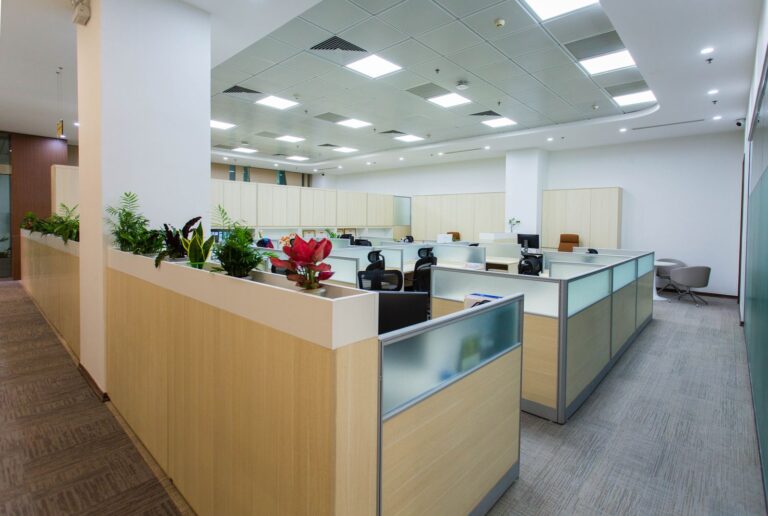
- Managed offices for teams of 10-100+ with customisable layouts and private entrances
- Virtual office addresses for remote-first companies that need a Gurgaon business address
The coworking model has been particularly transformative for early-stage startups that cannot commit to traditional leases. It allows founders to start with two desks and scale to twenty without changing their address or disrupting operations.
Looking for a startup office in Gurgaon? Amadhi helps you find the right coworking or managed office space. Book a free consultation today.
Cost Advantage Over Bangalore and Mumbai
Office rental costs play a decisive role in where startups choose to set up. On this metric, Gurgaon consistently undercuts its two biggest competitors:
| City | Avg Coworking (per seat/mo) | Avg Traditional (per sq ft/mo) |
|---|---|---|
| Gurgaon (Prime) | INR 10,000-18,000 | INR 70-110 |
| Bangalore (ORR) | INR 12,000-22,000 | INR 80-130 |
| Mumbai (BKC) | INR 18,000-35,000 | INR 150-300 |
For a 20-person startup, the annual savings of operating from Gurgaon versus Mumbai can exceed INR 40-60 lakh. That is capital that goes directly into product development, hiring, and growth.
Unicorn Cluster Effect
Gurgaon is home to a growing list of unicorns and public companies that started as startups in the city. Zomato, PolicyBazaar, Nykaa, Cars24, Delhivery, and Lenskart all built their early-stage operations here. Their success has created a powerful cluster effect.
Successful startup exits generate wealth that recycles into the ecosystem through angel investing. They create alumni networks of experienced operators who join or advise new ventures. They attract service providers, accelerators, and support infrastructure that make the city more hospitable for the next generation of startups.
This self-reinforcing cycle is what separates genuine startup hubs from cities that merely have office space. Gurgaon has crossed the threshold where the ecosystem feeds itself.
Lifestyle and Quality of Life Factors
Beyond business fundamentals, Gurgaon offers lifestyle advantages that matter for talent retention:
- A wide range of housing options from affordable apartments in New Gurgaon to premium residences near Golf Course Road
- Over 40 shopping malls and a thriving food and nightlife scene centred around Cyber Hub and Galleria Market
- International schools and healthcare facilities that attract families
- Proximity to the Delhi international airport for founders and teams with frequent travel needs
For startup employees evaluating job offers, the combination of competitive salaries, modern workspaces, and a vibrant urban lifestyle makes Gurgaon an attractive proposition compared to the high cost of living in Mumbai or the traffic challenges of Bangalore.
What the Next Five Years Hold for Gurgaon’s Startup Ecosystem
Several developments are set to further strengthen Gurgaon’s position as India’s premier startup office hub:
- The Dwarka Expressway and Delhi-Mumbai Expressway will dramatically improve regional connectivity
- New commercial developments in Sectors 58-67 and along SPR are adding millions of square feet of modern office inventory
- Government initiatives promoting Gurugram as a global business hub are attracting international companies and investors
- The maturation of the coworking industry means more specialised workspace options for specific industries like fintech, deeptech, and healthtech
For founders choosing where to establish their next venture, Gurgaon offers a combination of infrastructure, talent, capital access, and cost efficiency that is difficult to replicate anywhere else in India.
Ready to set up your startup office in Gurgaon? Browse Amadhi’s curated workspace listings or book a free consultation to find your ideal space.
Frequently Asked Questions
Why do startups prefer Gurgaon over Bangalore or Mumbai?
Gurgaon offers lower commercial real estate costs than Mumbai and Bangalore, proximity to the national capital and international airport, a dense concentration of Fortune 500 companies and VC firms, and a rapidly expanding metro network. For North India-based startups, it provides the best balance of cost, connectivity, and ecosystem strength.
Which areas in Gurgaon have the most startup offices?
The highest concentration of startup offices is in Cyber City and Cyber Hub, Golf Course Road, Udyog Vihar, Sohna Road, and Sector 44. Each area serves different startup profiles, from funded tech companies in Cyber City to bootstrapped teams in Udyog Vihar.
Is Gurgaon affordable for early-stage startups?
Yes. Areas like Udyog Vihar and Sohna Road offer coworking seats starting from INR 5,000-7,000 per month. Even premium locations like Cyber City have competitive coworking options at INR 12,000-18,000 per seat, significantly lower than comparable areas in Mumbai or Bangalore.
How is the coworking ecosystem in Gurgaon?
Gurgaon has one of India’s densest coworking ecosystems with over 500 flexible workspaces operated by major players like WeWork, Smartworks, and Awfis, plus numerous boutique operators. The city offers everything from hot desks to managed floors for teams of 100 or more.
How can Amadhi help startups find office space in Gurgaon?
Amadhi is a workspace aggregator that lists coworking spaces, managed offices, and traditional office options across Gurgaon. Startups can browse by area, budget, and team size, and book free workspace consultations with advisors who know the Gurgaon market.
What industries are best represented in Gurgaon’s startup ecosystem?
Gurgaon has strong clusters in fintech, edtech, SaaS, D2C consumer brands, logistics and supply chain, enterprise services, and healthtech. The presence of Fortune 500 companies also makes it a natural base for B2B startups selling into large enterprises.